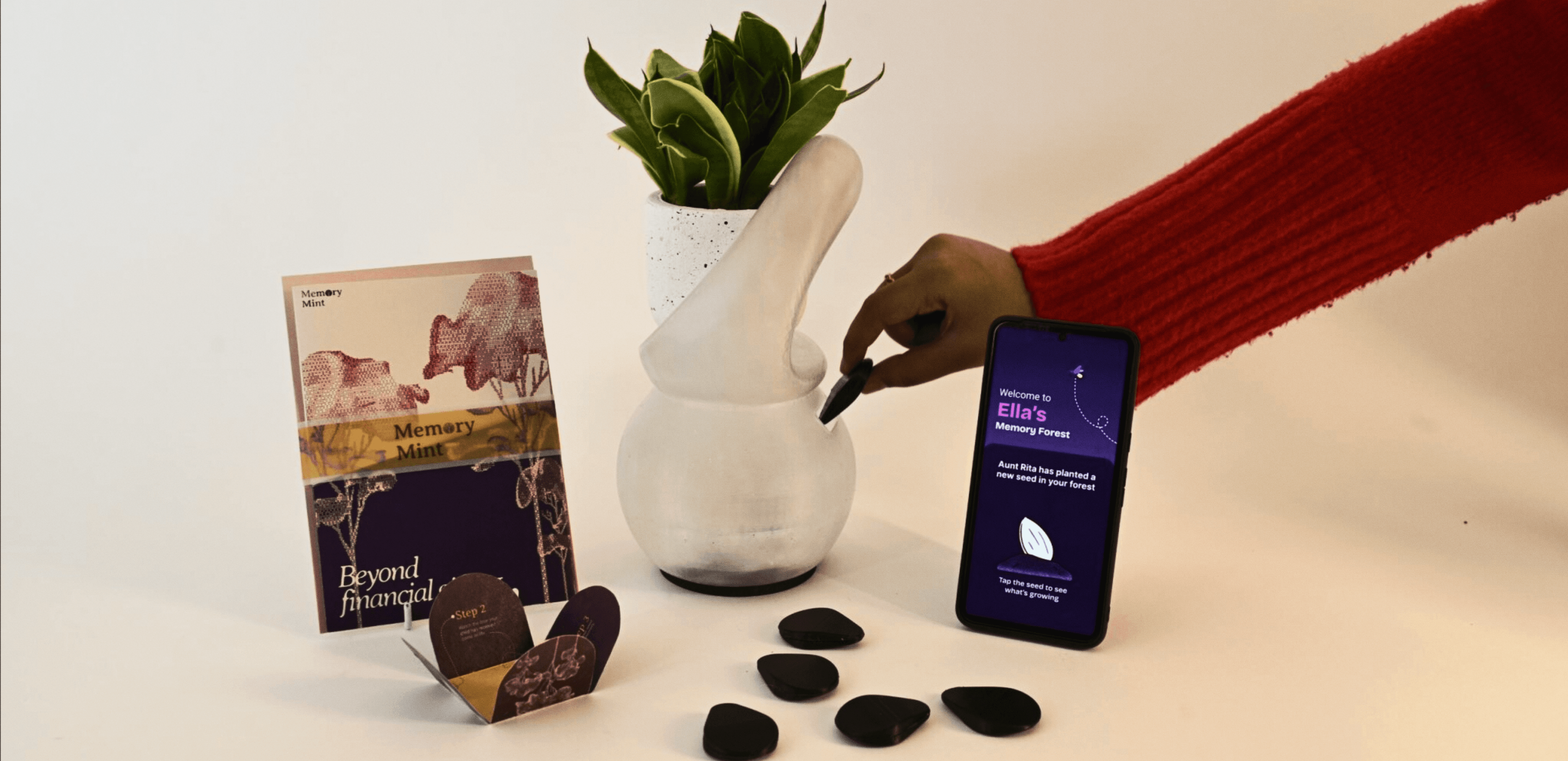
Micro Unit
After analyzing our speed-dating sessions with mothers, our path forward was clear. We selected our fourth concept, the "Community Memory Pot" (later renamed MemoryMint), as our final direction. It was the idea that resonated most with our research participants, offering the best balance of novelty, emotional value, and realistic integration into their daily lives.
During this time, we consulted with the technicians at the CTH to discuss our implementation plan because we had ideas for some digital touchpoints for this system. At the time, we envisioned a 3D immersive game-like experience where the child, once of age, could navigate a virtual world to "collect" memories and the attached funds.
However, after discussing this with the technical team and some other colleagues, we identified two major flaws with this approach:
The Message: Asking a user to "explore and collect" money would turn the experience into a cash grab. It overshadowed the emotional intent of financial gifting.
Feasibility: Our mood board for the 3D world was too ambitious to build in four weeks, especially given the multiple new tools we would need to learn.
Narrowing the Scope
We reached out to our tutors, & realised that there are multiple areas that can be focussed on within our system plan, like creating the pot, gifting/contributing to this pot, visualising the growing pot, and redeeming the money & memories. Feedback from our tutors helped us focus. They pointed out that we were trying to do too much. We realized we didn’t need to reinvent the wheel for things that already exist, like digital payments.
Instead, we found our primary design opportunity in visualizing the growing pot. There are few existing design solutions for visualizing a collection of memories and funds growing over 18+ years. We decided to focus on two outputs:
Physical: A tactile artifact that serves as a permanent reminder of family love in the home.
Digital: A delightful & engaging platform where memories can be viewed in various media formats.
System Blueprinting
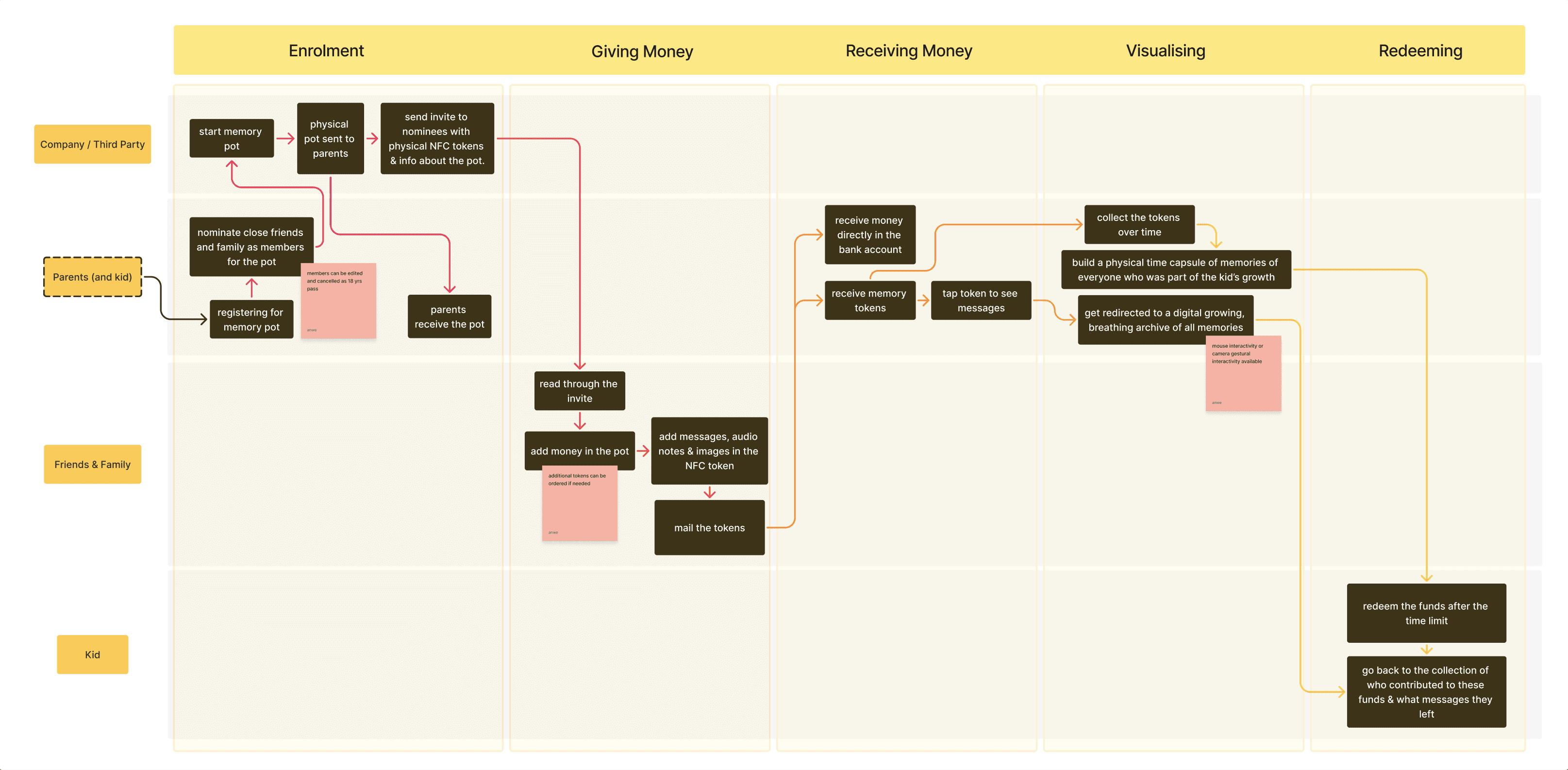
To detail the system, we mapped out user journeys and highlighted the necessary touchpoints. A key piece of feedback was to add a layer showing exactly which artifacts would be involved at every stage of the system.
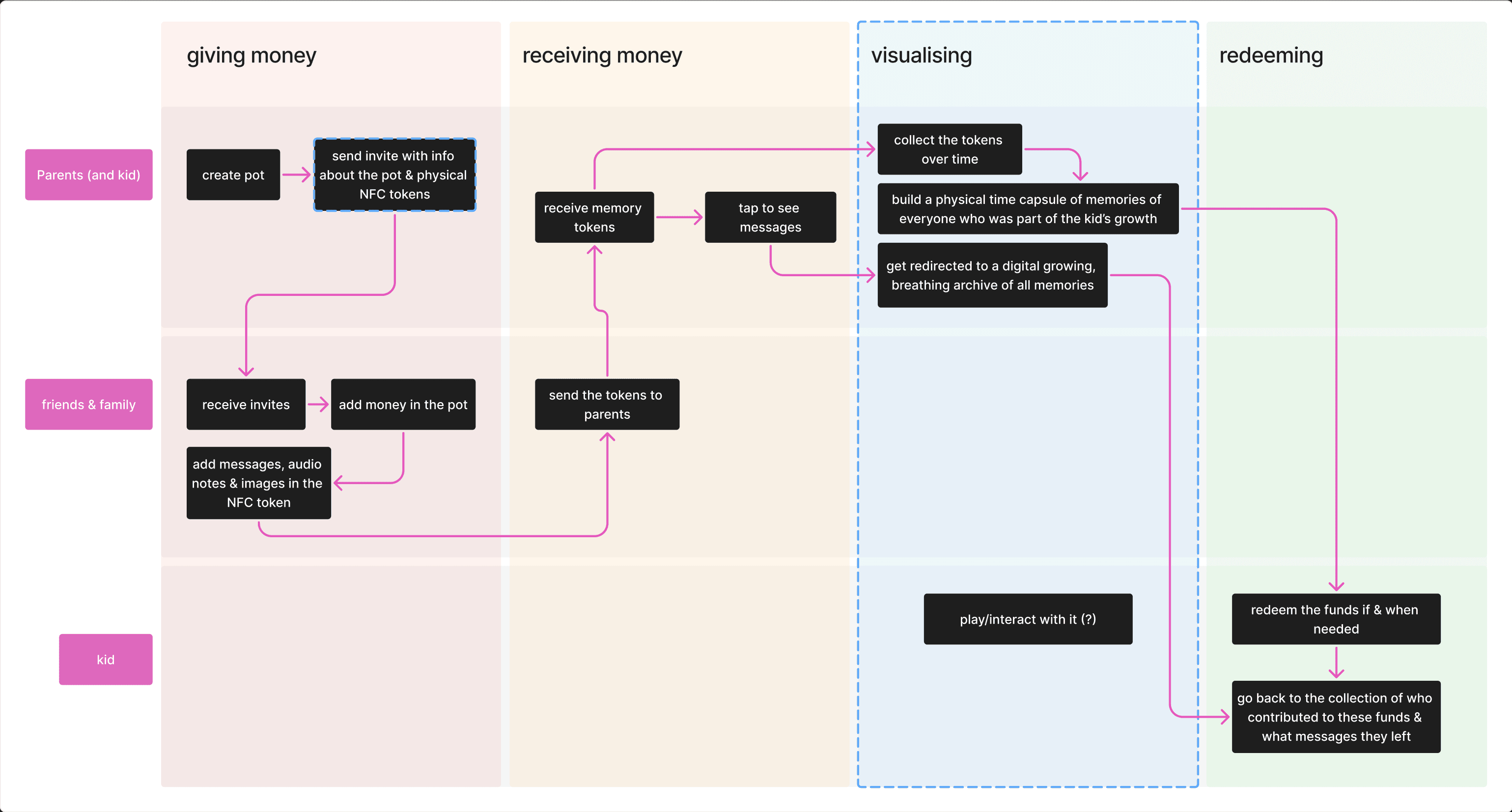
During this process, we also clarified the role of the service provider (the "MemoryMint" company). We defined exactly how the company would facilitate the experience for parents, gifters, and the child, ensuring the system blueprint was comprehensive.
Choosing the Metaphor
We needed a visual metaphor that carried the right emotional weight to physicalise & visualise the data of growing memories . We shortlisted four options: a tree, a piggy bank, a vinyl record, and a postcard.
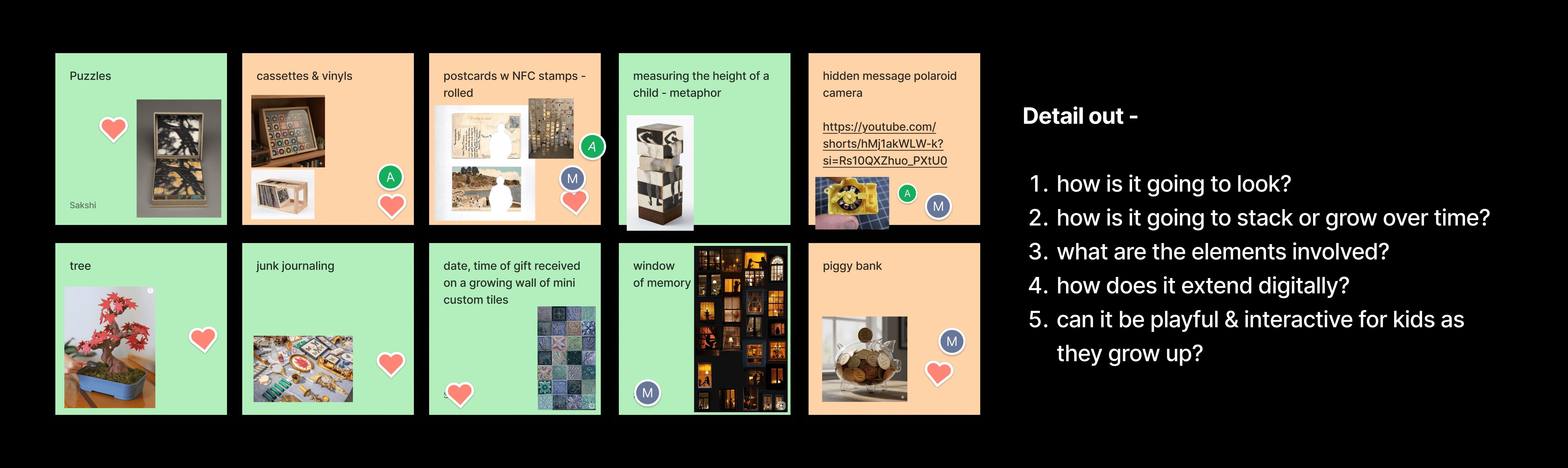
Because these metaphors were about emotional resonance and their poetic value in a family’s journey, we wanted to analyze them qualitatively. To choose the best one, we conducted a SWOT analysis for each, evaluating their strengths, weaknesses, opportunities, and threats regarding their value & durability in a household.
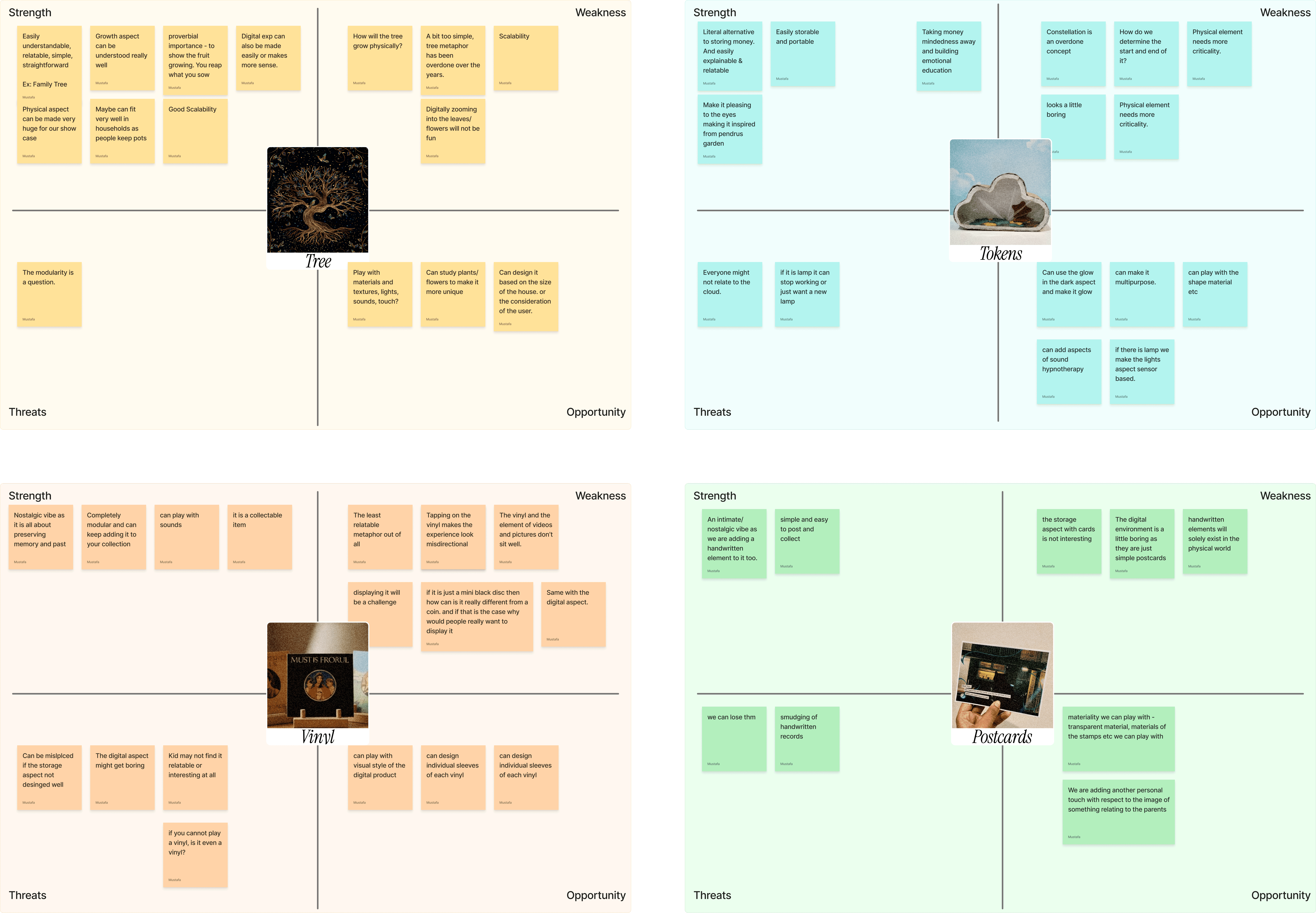
Ultimately we selected a combination. We chose the Tree to represent growth over time, paired with the Piggy Bank’s concept to represent the interaction of storage and tactility.
✨ Keep Exploring ✨